
Colorado DUI Records Search
Colorado DUI records document arrests and court cases for driving under the influence. These DUI records come from police departments and courthouses across the state. Many people need access to DUI files for personal review or legal matters. The state keeps detailed records of all DUI arrests and convictions. You can find information about your own DUI case history. Law enforcement agencies create these DUI records during traffic stops. Courts maintain files for each DUI case that goes through the system. Understanding how to access DUI records helps you stay informed about your driving history.
Colorado DUI Records Quick Facts
Where to Find Colorado DUI Records
Colorado maintains DUI records in several locations. The Colorado Department of Motor Vehicles keeps records related to DUI license suspensions. Colorado Judicial Branch courts maintain case files for all DUI proceedings. Local police departments store arrest records from DUI traffic stops. Each agency plays a role in DUI record-keeping. You may need to check multiple sources for complete DUI information.
The Colorado Judicial Branch provides online access to court records. You can search for DUI cases by name or case number. This system covers most county and district courts in Colorado. Some municipal courts maintain separate DUI record systems. You should check with the specific Colorado court that handled your DUI case. DUI records may take time to appear in online databases. Physical copies of DUI records often require an in-person visit to the courthouse.
The Colorado DMV website offers information about administrative actions. You can check your license status and view any DUI-related restrictions. The Colorado site explains how to request hearings for DUI license suspensions. CRS 42-2-126 governs the express consent law for DUI chemical testing. This statute affects how Colorado DUI records are created and maintained. Visit Colorado DMV Alcohol and DUI page for detailed information about DUI administrative processes.
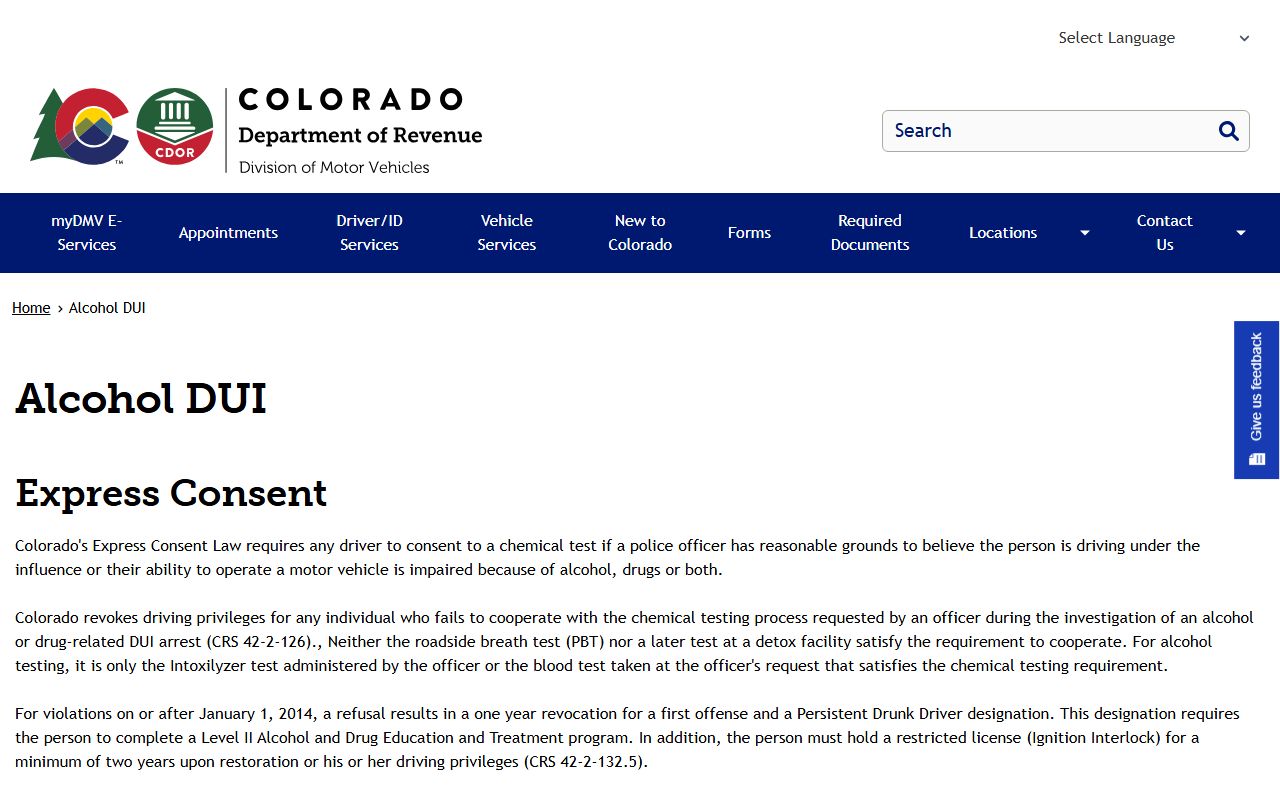
The Colorado DMV provides comprehensive resources about DUI-related license actions. You can learn about revocation periods and reinstatement requirements for DUI. The Colorado site explains the DUI hearing request process in clear terms.
How to Search DUI Records in Colorado
Searching DUI records requires knowing which agency maintains the files you need. Colorado court records and DMV records serve different purposes for DUI cases. Colorado court files show DUI case outcomes and sentencing details. Colorado DMV records track license status and administrative DUI penalties. You may need both types for a complete picture of your DUI situation.
The Colorado Judicial Branch public access system lets you search court records online. You can look up DUI cases from most county and district courts. The system displays DUI case information including charges and dispositions. Some Colorado DUI records may have restricted access due to privacy laws. You should contact the court clerk for DUI records not available online. The Colorado Courts Data Access portal provides search tools for public records. Access Colorado Courts Data Access to begin your DUI search.
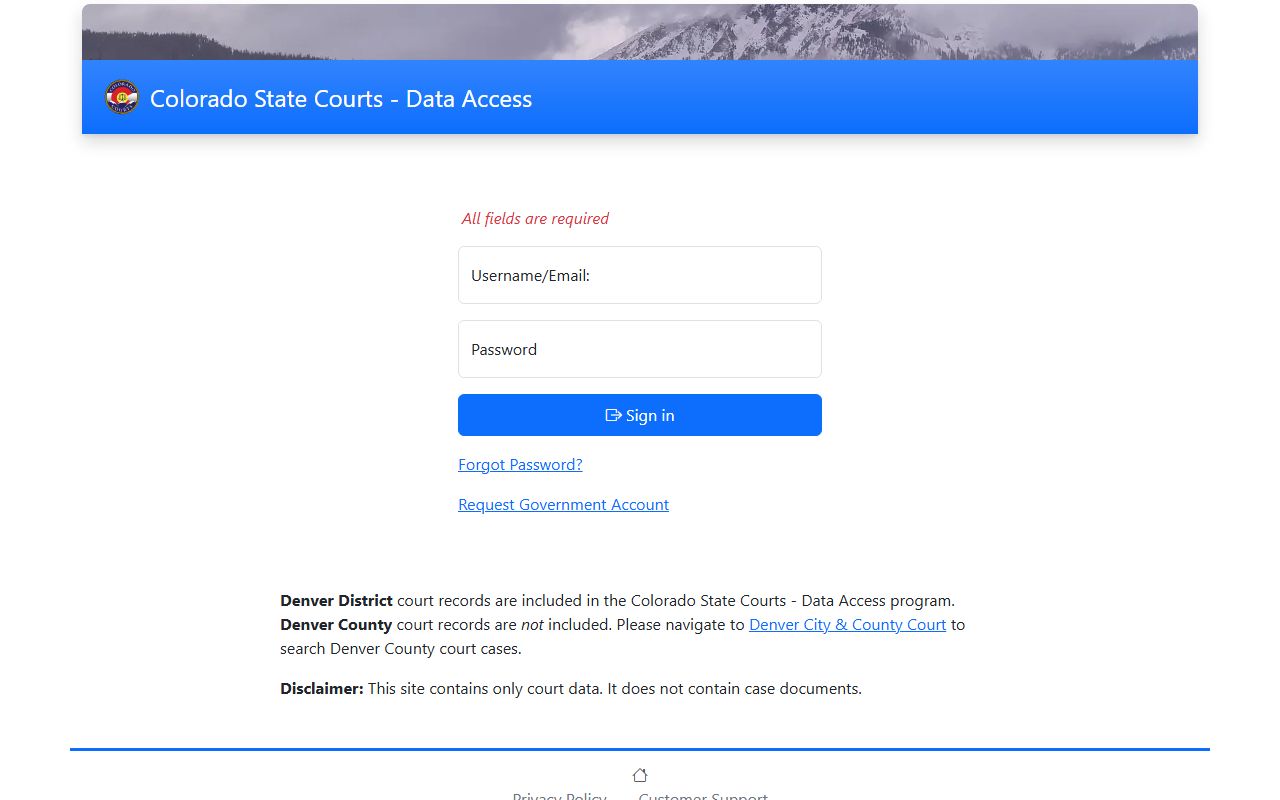
This portal connects you to DUI case information from courts statewide. You can find docket entries and DUI hearing dates. The Colorado system helps you track your DUI case through the judicial process.
For DMV-related DUI records, you can use the MyDMV Colorado online services. This platform lets you view your driving record and license status. You can check for any suspensions or restrictions on your license from a DUI. The Colorado system requires creating an account with proper identification. Access MyDMV Colorado to view your personal DUI driving records.
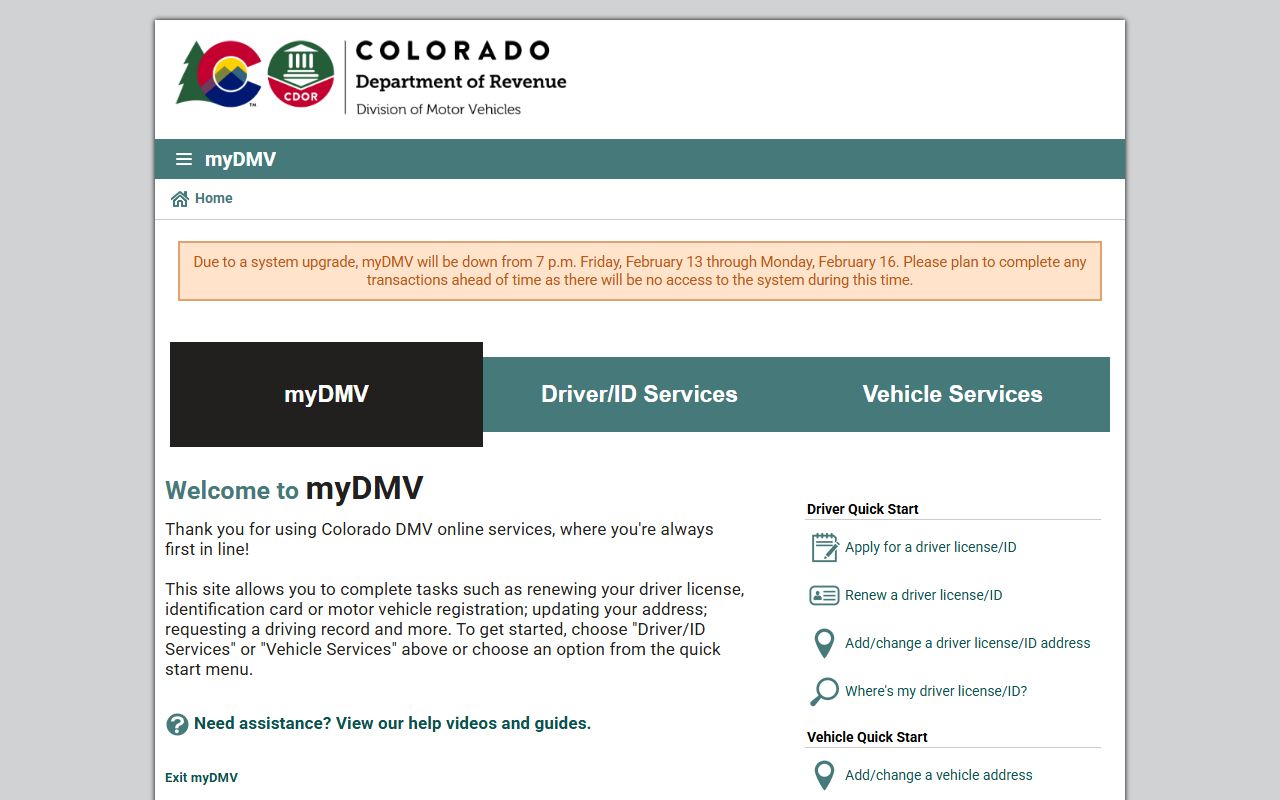
MyDMV offers convenient access to your DUI driving history. You can print official records when needed. The Colorado site provides forms for various DMV transactions related to DUI.
Understanding DUI vs DWAI in Colorado
Colorado law distinguishes between two levels of alcohol-related driving offenses. Driving Under the Influence (DUI) applies to Colorado drivers with a blood alcohol content (BAC) of .08% or higher. Driving While Ability Impaired (DWAI) covers Colorado drivers with a BAC between .05% and .08%. Both offenses carry serious DUI penalties. The distinction affects how Colorado DUI records are classified and reported.
CRS 42-4-1301 defines both DUI and DWAI offenses in Colorado statute. A DUI conviction requires proof of substantial impairment or a BAC at or above .08%. DWAI requires proof of impairment to the slightest degree with a BAC above .05%. Both charges create permanent DUI records. The classification affects Colorado DUI sentencing and license consequences.
Colorado DUI records typically indicate more severe penalties than DWAI records. Colorado courts track these distinctions in their case management systems. Insurance companies may view Colorado DUI records differently when setting rates. Both types of DUI records remain on your driving history. Multiple Colorado DUI offenses escalate penalties regardless of classification.
Colorado DMV Administrative Process
The Colorado DMV handles administrative actions separately from criminal court cases for DUI. When you are arrested for DUI, the Colorado DMV may suspend your license. This suspension happens even before your DUI court case concludes. You have seven days to request a hearing to challenge the DUI suspension. Missing this Colorado deadline results in automatic license revocation.
The Hearings Division of the Colorado Department of Revenue conducts administrative hearings for DUI cases. These hearings focus on specific issues related to your DUI arrest. The Colorado hearing officer examines whether the officer had probable cause. They review whether you were properly advised of express consent rights. CRS 42-2-126 establishes the framework for these administrative DUI proceedings.
Visit the Colorado Hearings Division page for information about requesting a DUI hearing.
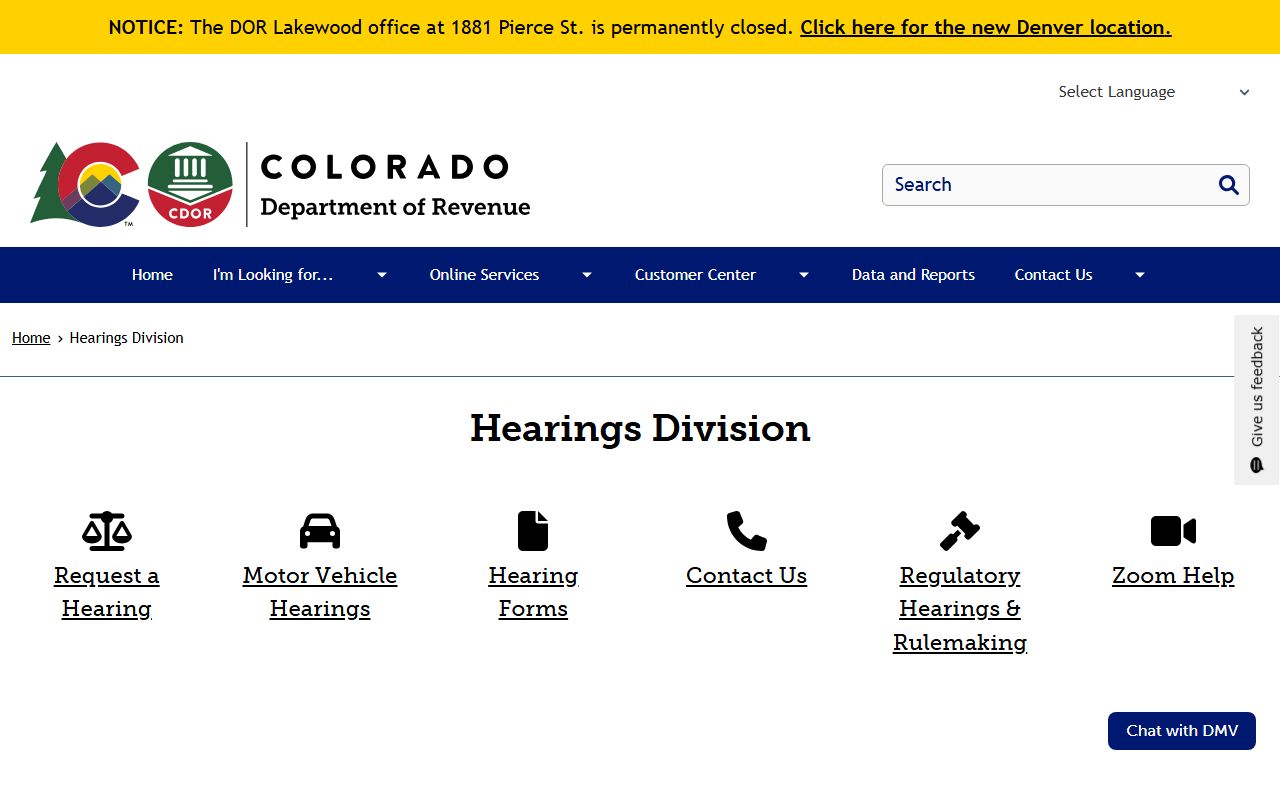
This Colorado division processes all requests for administrative DUI hearings. You can find forms and instructions for filing DUI appeals. The Colorado site explains what to expect during your DUI hearing.
The DUI administrative process runs parallel to criminal proceedings. You can win your criminal case but still lose your license. The reverse is also possible in DUI cases. Understanding this Colorado dual-track system helps you protect your rights. Legal representation can help navigate both DUI processes effectively.
For detailed information about the administrative process, visit the Colorado DMV DUI Administrative Process page.
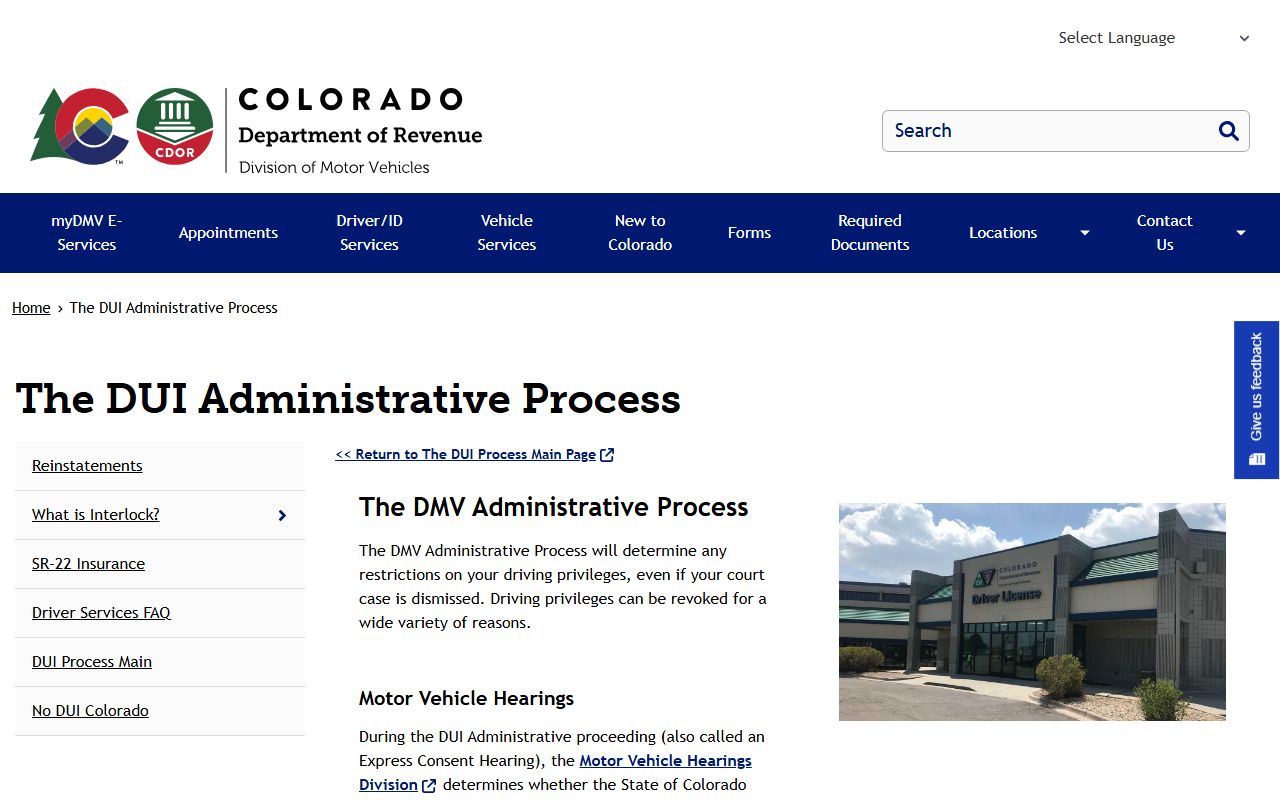
This resource explains each step of the administrative DUI timeline. You can learn about Colorado revocation periods and reinstatement steps for DUI. The page clarifies common questions about DUI hearings.
Court Records for DUI Cases
Colorado courts maintain detailed records of all DUI proceedings. These Colorado files include charging documents and plea agreements for DUI cases. Sentencing orders appear in the Colorado court docket. Records also show any probation terms or jail time for DUI offenses. Each Colorado courthouse keeps files for DUI cases heard in that jurisdiction.
Colorado district courts handle felony DUI cases. County courts manage misdemeanor DUI charges. Colorado municipal courts may hear DUI cases occurring within city limits. Knowing which Colorado court handled your DUI case helps you locate records. Each Colorado court system has its own procedures for DUI record requests.
The Denver County Court handles many DUI cases in the metro area. You can find information about their DUI processes online. Visit the Denver County Court website for DUI case lookup tools and contact information.
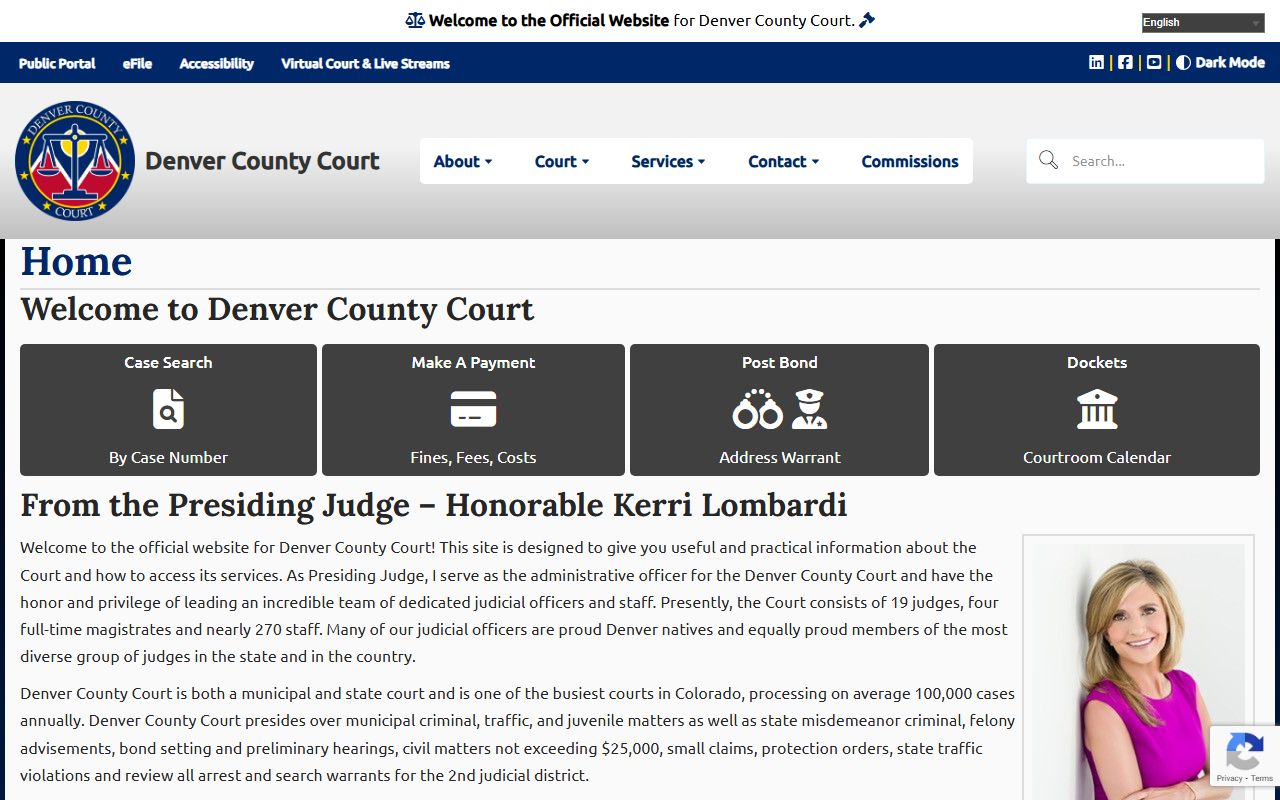
This Colorado court serves the largest city and handles thousands of DUI cases. Their Colorado website provides forms and procedural guidance for DUI matters. You can find Colorado information about hours and locations.
Colorado court records include several types of DUI documents. The complaint lists the DUI charges against you. Police reports detail the circumstances of your DUI arrest. Plea forms show what DUI charges you admitted or denied. Sentencing documents explain your DUI punishment. These records create a complete picture of your DUI case.
Penalties and Consequences in Colorado
Colorado imposes strict penalties for DUI convictions. These Colorado penalties increase with each subsequent DUI offense. First-time DUI offenders face fines and possible jail time. License suspension is standard for most DUI convictions. Community service and alcohol education classes are commonly required for DUI.
Multiple DUI offenses carry enhanced penalties. A fourth DUI becomes a felony in Colorado. Felony DUI convictions create more serious long-term consequences. Prison time becomes a possibility for repeat DUI offenders. The state takes repeat DUI cases very seriously.
Refusing a chemical test triggers additional DUI penalties. Colorado's express consent law requires drivers to submit to DUI testing. Refusal results in automatic license revocation for one year. You also receive a Persistent Drunk Driver designation on your Colorado record. This designation requires Level II Alcohol and Drug Education and Treatment for DUI. The Colorado program involves extensive classes and therapy sessions. Completion is mandatory before Colorado DUI license reinstatement.
CRS 42-2-132.5 requires ignition interlock devices for many DUI offenders. You must install this device on any vehicle you drive. The device prevents the car from starting if it detects alcohol. You must keep the interlock for at least two years after a DUI. Monthly calibration and monitoring are required for DUI interlock devices. These devices create records of all breath tests during your DUI probation. Failed tests can result in extended interlock requirements for DUI. The costs of installation and monitoring add up over time for DUI.
Getting Copies of Colorado DUI Records
Obtaining copies of your DUI records requires following specific Colorado procedures. Each agency has its own request process for DUI records. You may need to submit written requests for some DUI records. Fees vary depending on the type of DUI record and number of pages.
Colorado court records often require visiting the courthouse in person. Some Colorado courts offer online access to basic DUI case information. Certified copies of DUI records usually require a formal request form. The clerk's office can explain their specific DUI procedures. Processing times for DUI records range from same-day to several weeks.
The Colorado Hearings Division provides forms for various administrative matters. You can find request forms for DUI hearings and appeals. Visit the Colorado Hearings Forms page to access these DUI documents.
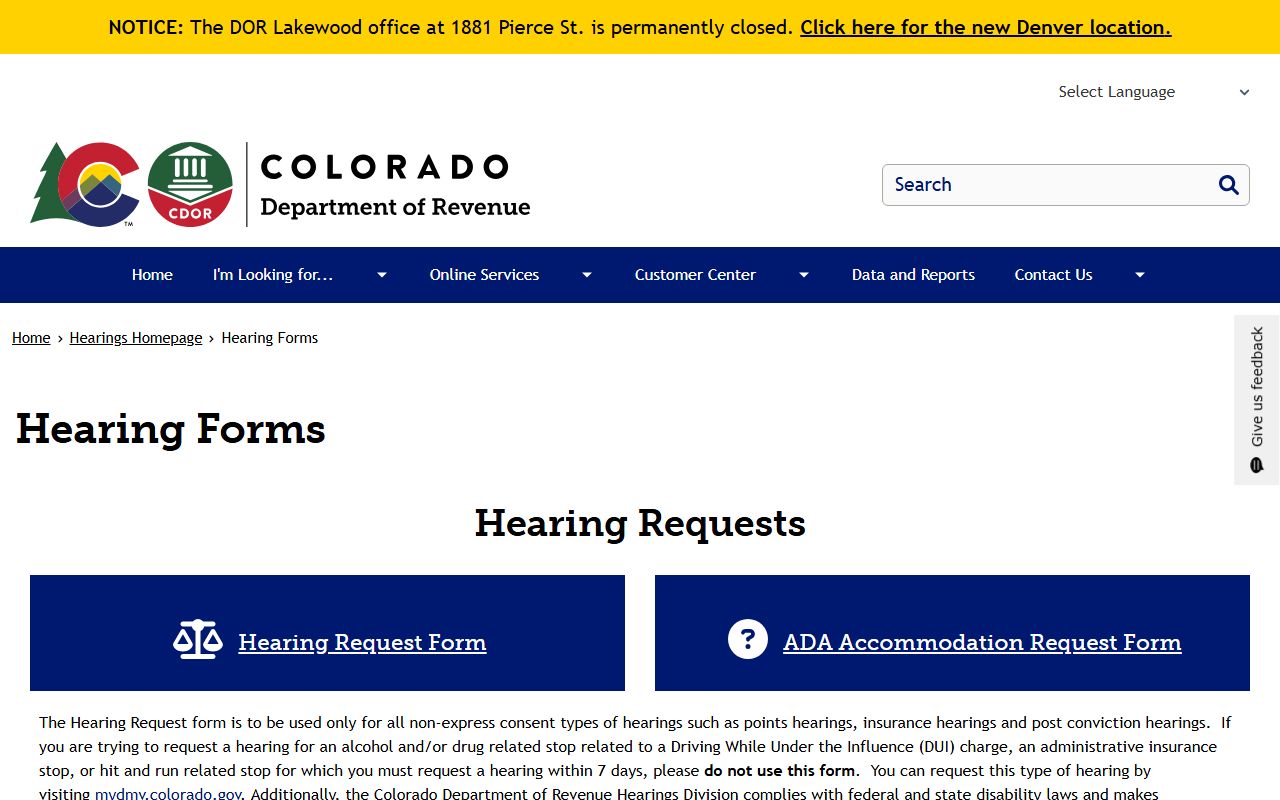
These forms help you navigate the administrative DUI hearing process. You can download forms for DUI hearing requests and motions. The Colorado site provides instructions for completing each DUI form.
Colorado DMV driving records can be requested through MyDMV or by mail. Certified driving records may require additional documentation. Fees apply for official copies of your DUI record. You should request Colorado DUI records well before any deadlines. Keep copies of all DUI documents for your personal files.
Colorado DUI Records and Background Checks
DUI convictions appear on most background checks in Colorado. The Colorado Bureau of Investigation maintains criminal history records. Their database includes DUI convictions from across the state. Colorado employers often request these background checks. DUI records can affect job opportunities and professional licenses.
Colorado driving records show DUI-related license actions separately from criminal records. Insurance companies check these Colorado records when setting rates. A DUI can significantly increase your insurance premiums. Some insurers may cancel your policy entirely after a DUI. The financial impact of DUI extends far beyond court fines.
Colorado law limits how far back some background checks can go. However, DUI records often remain visible for many years. Expungement options are limited for DUI convictions. Most DUI records remain permanently accessible. Understanding what appears on your DUI record helps you prepare for background checks.
Understanding Your Colorado DUI Record
Your Colorado DUI record contains information about arrests and convictions for driving under the influence. Understanding what appears on your DUI record helps you make informed decisions. DUI records include arrest dates and court case numbers. They also show disposition and sentencing information for DUI. The Colorado DMV maintains separate records about your license status related to DUI.
Reviewing your DUI record regularly ensures accuracy. Errors on DUI records can cause problems with employment and licensing. You should verify that all DUI case information is correct. Contact the court if you find mistakes in your DUI records. The DUI expungement process is limited but may apply in some cases. Check with a Colorado attorney about clearing your DUI record.
Employers may ask about DUI history during the hiring process. Be honest about any DUI convictions when asked directly. Some jobs require clean driving records without DUI. Commercial drivers face stricter standards for DUI. A single DUI can disqualify you from certain positions. Understanding your DUI rights helps you navigate employment issues.
DUI Education and Treatment Requirements
Colorado requires alcohol education and treatment for most DUI convictions. The level of education depends on your DUI history and case circumstances. Level I education covers basic alcohol awareness for first-time DUI offenders. Level II education provides more intensive programming for repeat DUI offenders. Treatment programs address substance abuse issues underlying DUI behavior.
Offenders must complete DUI education from state-approved providers. These providers issue certificates upon completion of DUI programs. The court and DMV require proof of DUI education completion. Missing DUI classes can result in probation violations. The cost of DUI education varies by provider and program level.
Treatment components focus on preventing future DUI incidents. Group therapy helps DUI offenders understand their behavior patterns. Individual counseling addresses personal issues related to DUI. Victim impact panels show the consequences of DUI crashes. These programs aim to reduce repeat DUI offenses. Successful completion is required for DUI license reinstatement.
DUI License Reinstatement Process
The DUI license reinstatement process requires completing several steps. First, you must serve the full DUI suspension period. Then you must complete any required DUI education and treatment programs. You also need to pay all DUI-related fines and fees. Finally, you must file the proper paperwork with the DMV to reinstate after DUI.
SR-22 insurance is required for DUI reinstatement in most cases. This special insurance proves you have coverage after a DUI. The SR-22 must remain active throughout your DUI probation period. Lapses in SR-22 coverage can extend your DUI suspension. Contact your insurance company about adding SR-22 after DUI.
Reinstatement fees vary based on your DUI case details. Multiple DUI offenses result in higher reinstatement costs. You may also need to retake the driving test after DUI suspension. The written and road tests ensure you can drive safely post-DUI. Study the driver's manual before attempting tests after DUI.
Common Questions About DUI Records
People often have questions about accessing DUI records and understanding their contents. DUI records contain specific information about arrests and convictions. Your DUI record is different from your general criminal history. The DMV maintains separate records about DUI license actions.
Can you expunge a DUI from your record? Colorado law limits DUI expungement options. Most DUI convictions remain on your record permanently. Some older DUI cases may qualify for sealing. Consult an attorney about your specific DUI situation. They can advise you about options for your DUI case.
How long does a DUI stay on your record? DUI convictions typically remain indefinitely. The DMV tracks DUI history for licensing purposes. Insurance companies may check DUI records for several years. Multiple DUI offenses within five years trigger enhanced penalties. Keeping your record clean after DUI helps with future opportunities.
DUI Arrest Process in Colorado
A DUI arrest begins with a traffic stop by law enforcement. Officers look for signs of impairment during the DUI stop. They may ask you to perform field sobriety tests during a DUI investigation. These tests help officers determine probable cause for DUI arrest. Refusing field sobriety tests can still result in DUI arrest.
Chemical testing follows a DUI arrest under express consent laws. Officers may request a breath test or blood test for DUI. Breath tests provide immediate BAC results at the DUI stop. Blood tests offer more accurate BAC readings for DUI cases. Refusing chemical testing results in automatic DUI license suspension.
Booking occurs after a DUI arrest at the police station. Officers collect personal information during DUI booking. You may be held until sober after a DUI arrest. Some DUI offenders qualify for immediate release on bond. The DUI citation serves as your temporary driving permit initially.
Types of DUI Charges in Colorado
Colorado recognizes several types of DUI charges based on circumstances. Standard DUI applies when your BAC is .08% or higher. DWAI is a lesser offense for BAC levels between .05% and .08%. Both DUI and DWAI create records that affect your driving privileges.
Felony DUI applies to fourth or subsequent DUI offenses. A felony DUI carries much more serious penalties. Prison time becomes a real possibility for felony DUI. The court treats repeat DUI offenders much more harshly. Felony DUI records have greater impact on employment.
Underage DUI applies to drivers under 21 with any detectable alcohol. Colorado has zero tolerance for underage drinking and driving. A DUI under 21 results in immediate license suspension. Underage DUI records can affect college admissions and scholarships. Young drivers should understand the severe consequences of DUI.
Browse Colorado DUI Records by County
Each county in Colorado handles DUI cases through their local courts. Pick a county below to find local contact info and resources for DUI records in that area.
DUI Records in Major Colorado Cities
Major cities across Colorado handle DUI cases through their municipal and county courts. Pick a city below to learn about DUI records in that area.